Tinnitus Relief: Causes, Symptoms & Tips

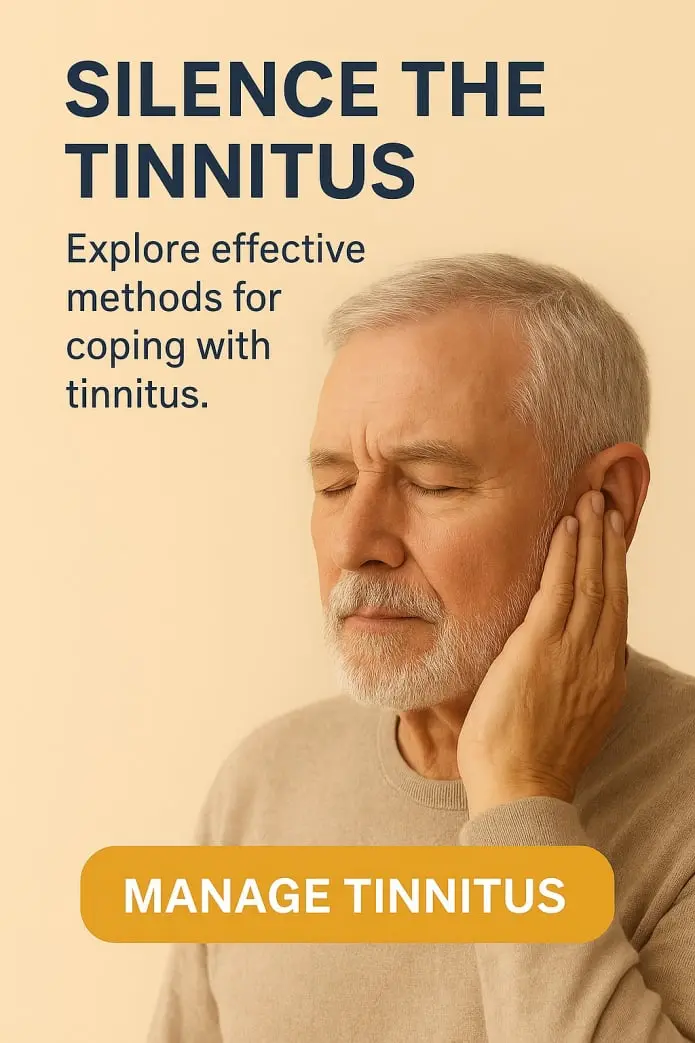
Tinnitus is a common condition where a person hears sounds like ringing, buzzing, hissing, or humming in the ears without any external source. Millions of people worldwide experience Tinnitus, and it can range from mild and occasional to constant and disturbing. While it is not a disease itself, Tinnitus is often a sign of underlying issues such as hearing loss, ear infections, exposure to loud noise, or stress.

For some individuals, Tinnitus may affect sleep, concentration, and overall quality of life. Understanding Tinnitus, its causes, and possible treatments is important to manage the condition effectively. With the right care, lifestyle changes, and medical support, people living with Tinnitus can find relief and improve their daily well-being.

tinnitus
tinnitus 2
tinnitus 3
tinnitus 1
What is Tinnitus?

What is Tinnitus?

Tinnitus is the medical term used to describe the perception of sound in the ears or head when no external sound is present. It is often described as a ringing in the ears, but people may also experience it as buzzing, humming, hissing, roaring, or even clicking noises. Tinnitus is not a disease on its own; instead, it is a symptom of an underlying condition. Millions of people around the world experience Tinnitus, making it one of the most common hearing-related issues.

The intensity of Tinnitus can vary from person to person. For some, it may be a faint noise heard only in quiet environments, while others may find it loud and persistent, interfering with daily activities, concentration, and sleep. Tinnitus can affect one ear or both ears, and it may come and go or remain constant.

The most common causes of Tinnitus include age-related hearing loss, prolonged exposure to loud sounds, ear infections, excess earwax, and certain health conditions such as high blood pressure or diabetes. Stress and anxiety can also make the symptoms of Tinnitus worse.

Although Tinnitus can be frustrating, understanding its causes and possible management options is the first step toward relief. Medical treatments, sound therapy, hearing aids, and lifestyle changes often help reduce its impact. By recognizing the signs of Tinnitus early and seeking proper guidance, individuals can find ways to manage the condition and improve their overall quality of life.

What Causes Tinnitus?

Tinnitus can develop for many different reasons, and understanding its root causes is the key to finding the right relief. While some people experience Tinnitus temporarily after loud noise exposure, others may live with it for a longer period due to underlying health conditions. Below are some of the most common causes of Tinnitus:

1

Age-Related Hearing Loss

As people get older, the tiny sensory cells in the inner ear naturally weaken. This age-related change, also known as presbycusis, is one of the leading causes of Tinnitus.

2

Exposure to Loud Noises

Continuous exposure to loud music, machinery, or headphones at high volume can damage the ear’s delicate structures. This often results in hearing problems and Tinnitus.

3

Ear Infections and Earwax Blockage

Blocked ear canals from wax buildup or untreated ear infections can interfere with hearing and trigger Tinnitus symptoms.

4

Medication Side Effects

Certain medicines, such as antibiotics, cancer drugs, or high doses of aspirin, may cause or worsen Tinnitus as a side effect.

5

Underlying Health Conditions

Problems like high blood pressure, diabetes, thyroid disorders, and poor blood circulation can contribute to Tinnitus.

6

Stress and Anxiety

Emotional stress and anxiety do not directly cause Tinnitus but can make the sounds feel louder and more noticeable.

Symptoms and Impact on Daily Life

Different Types of Tinnitus

Tinnitus is not the same for everyone. The sounds, patterns, and even the causes can vary from person to person. Understanding the different types of Tinnitus helps in identifying the right approach for treatment and management. Here are the main types of Tinnitus explained in simple terms:

Subjective Tinnitus

This is the most common form of Tinnitus, where only the person experiencing it can hear the sounds. It is often linked to problems in the inner, middle, or outer ear and may also be caused by issues in the auditory nerves.

Objective Tinnitus
A rare type of Tinnitus that can actually be heard by a doctor during an examination. It is usually caused by blood vessel problems, muscle contractions, or middle ear bone conditions.

Pulsatile Tinnitus
This type of Tinnitus creates a rhythmic pulsing or throbbing sound, often in time with the heartbeat. It is commonly related to blood circulation issues and may require medical evaluation to rule out underlying vascular conditions.

Neurological Tinnitus
Linked to disorders affecting the brain’s auditory functions, such as multiple sclerosis or injuries, this type of Tinnitus often involves nerve-related issues.

Somatic Tinnitus
This type is influenced by movements or sensations in the body, such as jaw clenching, neck strain, or muscle tension, which can worsen the sound perception.

By knowing the different types of Tinnitus, individuals and doctors can better understand its origin and choose the most effective management strategies.

Symptoms of Tinnitus

Tinnitus is more than just ringing in the ears. The condition can create a wide range of sounds and experiences that affect people differently. Recognizing the symptoms of Tinnitus is important for early detection, proper diagnosis, and effective management. Below are the most common symptoms of Tinnitus explained in detail:

  • Ringing, Buzzing, or Hissing Sounds: The most recognized symptom of Tinnitus is hearing sounds that have no external source. These may include ringing, buzzing, humming, hissing, or even roaring noises that seem to come from inside the ears or head.
  • Constant or Intermittent Noise: For some, Tinnitus may be constant throughout the day, while others notice it only occasionally. The intensity can change depending on stress levels, background noise, or overall health.
  • Hearing Loss or Reduced Hearing Ability: Many people with Tinnitus also experience some degree of hearing loss. The condition can make it difficult to hear external sounds clearly, especially in noisy environments.
  • Difficulty Concentrating: The constant internal noise can interfere with focus, making it hard to concentrate on tasks, work, or conversations. This is especially noticeable in quiet settings where Tinnitus sounds seem louder.
  • Sleep Disturbances: Tinnitus often becomes more noticeable at night when the environment is quiet. This can lead to trouble falling asleep, frequent awakenings, or poor sleep quality.
  • Emotional and Mental Stress: Persistent Tinnitus may cause irritability, stress, anxiety, or even depression in some individuals. The constant noise can feel overwhelming, impacting overall mental well-being.

    Understanding these symptoms of Tinnitus is the first step toward managing the condition and finding the right support for a better quality of life.

Who is at Risk of Tinnitus?

Tinnitus can affect anyone, but some people are at a higher risk due to lifestyle, age, or medical conditions. Knowing who is at risk of Tinnitus helps in prevention and early care. Here are the groups most likely to develop this condition:

1. Older Adults: Age-related hearing loss is one of the leading causes of Tinnitus. As hearing ability declines naturally with age, the chances of developing Tinnitus increase.

2. People Exposed to Loud Noise: Individuals who work in noisy environments such as construction sites, factories, or live music venues, as well as those who use headphones at high volume, are more prone to Tinnitus.

3. Individuals with Hearing Loss: Tinnitus often goes hand-in-hand with hearing loss. People who already experience reduced hearing sensitivity are at greater risk.

4. Those with Certain Health Conditions: Medical problems like high blood pressure, cardiovascular disease, diabetes, and thyroid issues can increase the risk of Tinnitus.

5. People Taking Ototoxic Medications: Some medicines, including certain antibiotics, chemotherapy drugs, and high doses of aspirin, are known to damage hearing and trigger Tinnitus.

6. Individuals Under High Stress or Anxiety: Emotional stress, anxiety, and depression do not directly cause Tinnitus but can make it worse and more noticeable.

By understanding who is at risk of Tinnitus, people can take preventive measures such as protecting their ears, managing health conditions, and reducing exposure to harmful noise.

Natural Relief Tips & Lifestyle Management for Tinnitus

How Tinnitus Affects Daily Life

Tinnitus may seem like a simple ringing in the ears, but for many people, it has a deep impact on daily living. The constant noise can interfere with normal activities, emotions, and overall well-being. Understanding how Tinnitus affects daily life helps in managing the condition more effectively and finding the right support. Below are the main ways Tinnitus can disrupt everyday life:

1. Difficulty Concentrating on Tasks: The continuous buzzing or ringing sounds can make it hard to focus on work, reading, or studying. Even simple conversations may feel challenging when the internal noise overshadows external sounds.

2. Sleep Problems and Fatigue: Many people with Tinnitus struggle to sleep because the sounds seem louder at night when everything else is quiet. Poor sleep often leads to daytime tiredness, reduced energy, and irritability.

3. Communication Challenges: Tinnitus combined with hearing loss can make it hard to understand speech, especially in noisy places. This can affect both personal and professional interactions.

4. Emotional Stress and Anxiety: Living with constant ear noise can cause frustration, stress, and even anxiety. In some cases, long-term Tinnitus may contribute to depression and lower overall mental health.

5. Reduced Quality of Life: The ongoing struggle with Tinnitus can make people withdraw from social activities, avoid gatherings, and feel less motivated to engage in hobbies they once enjoyed.

Tinnitus affects daily life in many ways, but with proper care, lifestyle changes, and professional support, its impact can be reduced, allowing individuals to live more comfortably.

Treatment Options for Tinnitus

While Tinnitus can be challenging, there are several treatment options available that can help manage its symptoms and improve quality of life. Although there is no universal cure, understanding the most effective approaches allows individuals to find relief and reduce the impact of Tinnitus. Below are the key treatment options commonly recommended by healthcare professionals:

Medical Treatments
In some cases, medications may help reduce the severity of Tinnitus or address underlying conditions contributing to it. Treating ear infections, controlling blood pressure, or addressing other health issues can also improve symptoms.

Hearing Aids
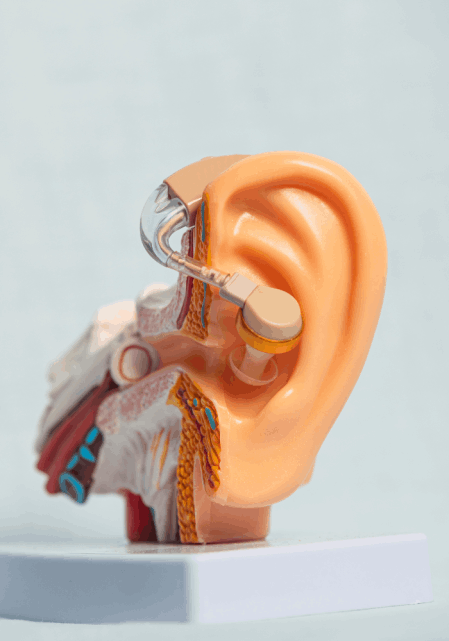
For individuals with hearing loss, hearing aids can amplify external sounds and reduce the perception of Tinnitus. This helps mask the internal noises and makes daily communication easier.

Sound Therapy
Sound therapy involves using background noises, white noise machines, or specialized sound-masking devices to distract the brain from focusing on Tinnitus. Over time, this can reduce the perceived intensity of the sounds.

Cognitive Behavioral Therapy (CBT)
CBT is a form of therapy that helps individuals change how they respond emotionally to Tinnitus. It can reduce stress, anxiety, and depression caused by persistent ear noises.

Lifestyle Changes and Stress Management
Simple lifestyle adjustments, such as limiting exposure to loud sounds, practicing relaxation techniques, and managing stress, can significantly reduce the severity of Tinnitus. Regular exercise and a healthy diet also support overall ear and brain health.

Alternative Therapies
Some individuals find relief with acupuncture, mindfulness, or meditation, which help reduce stress and improve focus, indirectly easing Tinnitus symptoms.

With the right combination of treatments and support, people living with Tinnitus can find effective ways to manage the condition and maintain a better quality of life.

Mobirise Website Builder

Natural Remedies and Self-Care Tips

While medical treatments can help manage Tinnitus, natural remedies and self-care practices play an important role in reducing its impact and improving overall well-being. These approaches are safe, accessible, and can complement professional care. Below are some effective natural remedies and tips for managing Tinnitus:

Manage Stress and Anxiety: Stress and anxiety can make Tinnitus more noticeable. Practicing relaxation techniques such as deep breathing, meditation, yoga, or mindfulness can help calm the mind and reduce Tinnitus intensity.

Limit Exposure to Loud Noises: Protecting your ears from loud music, machinery, or noisy environments is essential. Using earplugs or noise-canceling headphones can prevent further damage and reduce Tinnitus symptoms.

Healthy Diet and Hydration: Reducing caffeine, alcohol, and high-sodium foods may help some individuals. Eating a balanced diet rich in fruits, vegetables, and whole grains supports overall ear and brain health.

Regular Exercise: Physical activity improves blood circulation, which may benefit the inner ear and reduce the perception of Tinnitus. Even moderate daily exercise like walking or stretching can help.

Use Sound Masking Techniques: Playing soft background music, white noise, or natural sounds can help mask Tinnitus, making it less intrusive during quiet times, especially at night.

Maintain Healthy Sleep Patterns: Good sleep hygiene, such as maintaining a regular sleep schedule and creating a calm sleep environment, can reduce the stress and fatigue associated with Tinnitus.

Avoid Ototoxic Substances: Some medications and substances can worsen Tinnitus. Consult your doctor about alternatives if you suspect a medication may be contributing to your symptoms.

By incorporating these natural remedies and self-care strategies, individuals with Tinnitus can reduce its effects, improve focus, and enhance their overall quality of life.

Write to us with any questions
you have

FAQs About Tinnitus

Tinnitus is the perception of sound in the ears or head when no external sound is present. People often describe it as ringing, buzzing, hissing, humming, or roaring. The intensity can vary from a faint background noise to a loud, constant sound that affects daily life. Tinnitus can occur in one ear or both ears and may be temporary or chronic.

No, Tinnitus is not a disease. It is a symptom indicating an underlying problem with the ears, auditory nerves, or the brain’s hearing pathways. While it can be persistent and disruptive, it is usually a sign of another medical condition that may need attention.

Older adults, people with hearing loss, individuals exposed to loud environments (like construction workers or musicians), those with certain medical conditions, and people under high stress or anxiety are more likely to experience Tinnitus. Genetics and lifestyle habits can also influence the risk.

Temporary Tinnitus, such as ringing after attending a loud concert, often resolves within hours or days. Chronic Tinnitus may persist for months or years and typically requires lifestyle adjustments, sound therapy, or medical intervention to manage symptoms effectively.

Treatment depends on the cause and severity. Options include sound therapy, hearing aids, cognitive behavioral therapy (CBT), stress management techniques, and medications for underlying health issues. Lifestyle changes, like reducing noise exposure and improving sleep, can also be effective.

Consult a doctor if Tinnitus is persistent, worsening, affects one ear only, or is accompanied by dizziness, hearing loss, or severe headaches. Early medical evaluation can help identify underlying causes and prevent further complications, improving overall quality of life.

© Copyright 2025 Tinnitus. All Rights Reserved.